Who this is for
Managing agents and estate managers responsible for high rise residential blocks, mixed use estates and commercial buildings, especially in the years after handover when the developer's warranties depend on evidence of maintenance. Also facilities teams who run SFG20 schedules and need a facade specialist for the envelope tasks their M&E contractor does not cover.
Aluminium window and curtain wall systems are designed to be maintained: gaskets age, drainage blocks, friction stays and hinges wear, sealants reach the end of their life, and vents and automatic doors drift out of adjustment. Left alone, the first sign is a leak or a door that will not close, usually in winter.
What a PPM contract includes
Windows, doors and vents
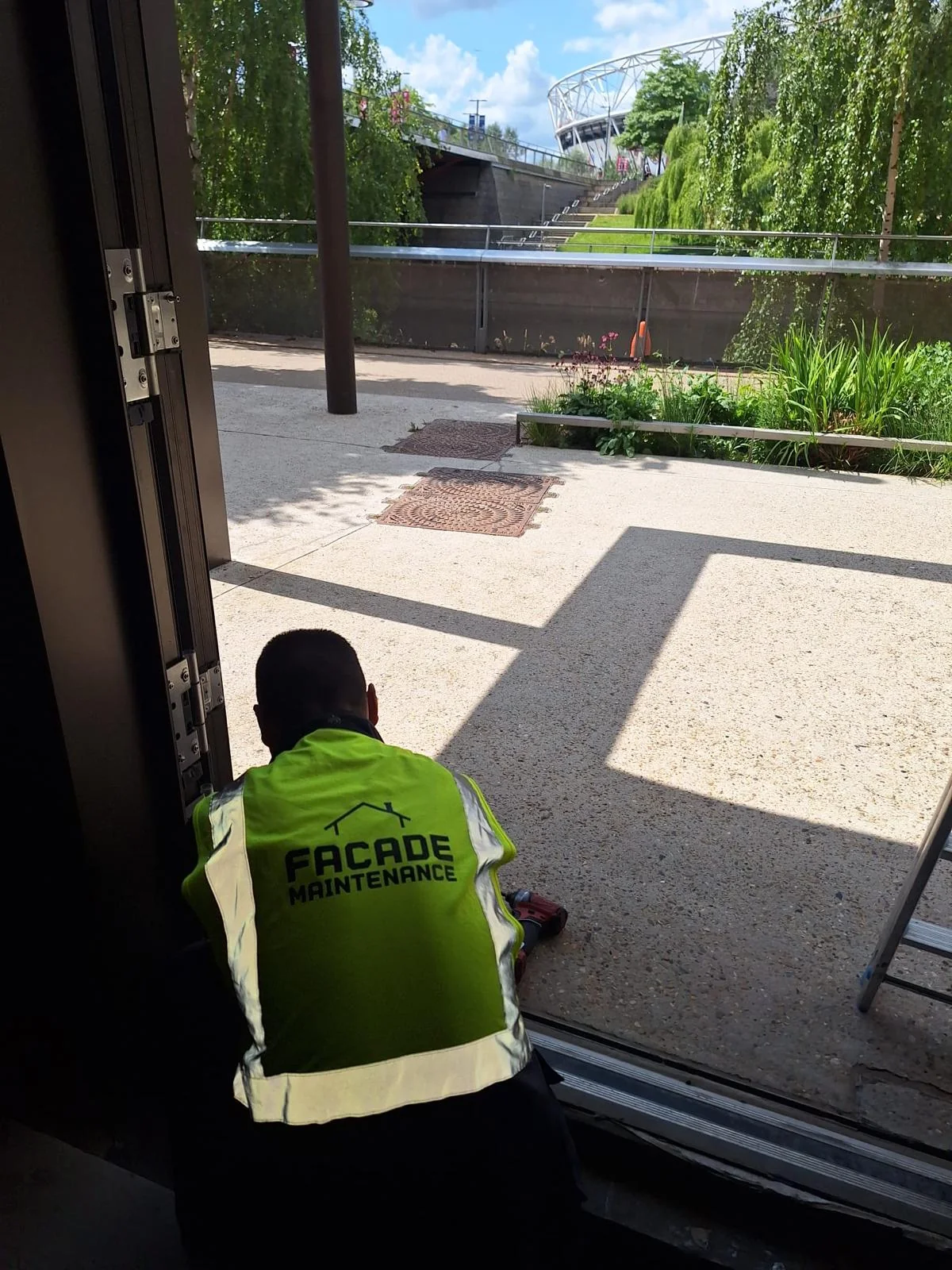
Operation checks, lubrication and adjustment of hinges, friction stays, locks, handles, restrictors and closers; gasket and seal condition; drainage slots and weep holes cleared; tilt-turn, TipTronic and parallel opening gear checked; sliding and lift-slide door tracks and rollers; automatic and entrance doors serviced with the manufacturer's checks.
Curtain walling and glazing
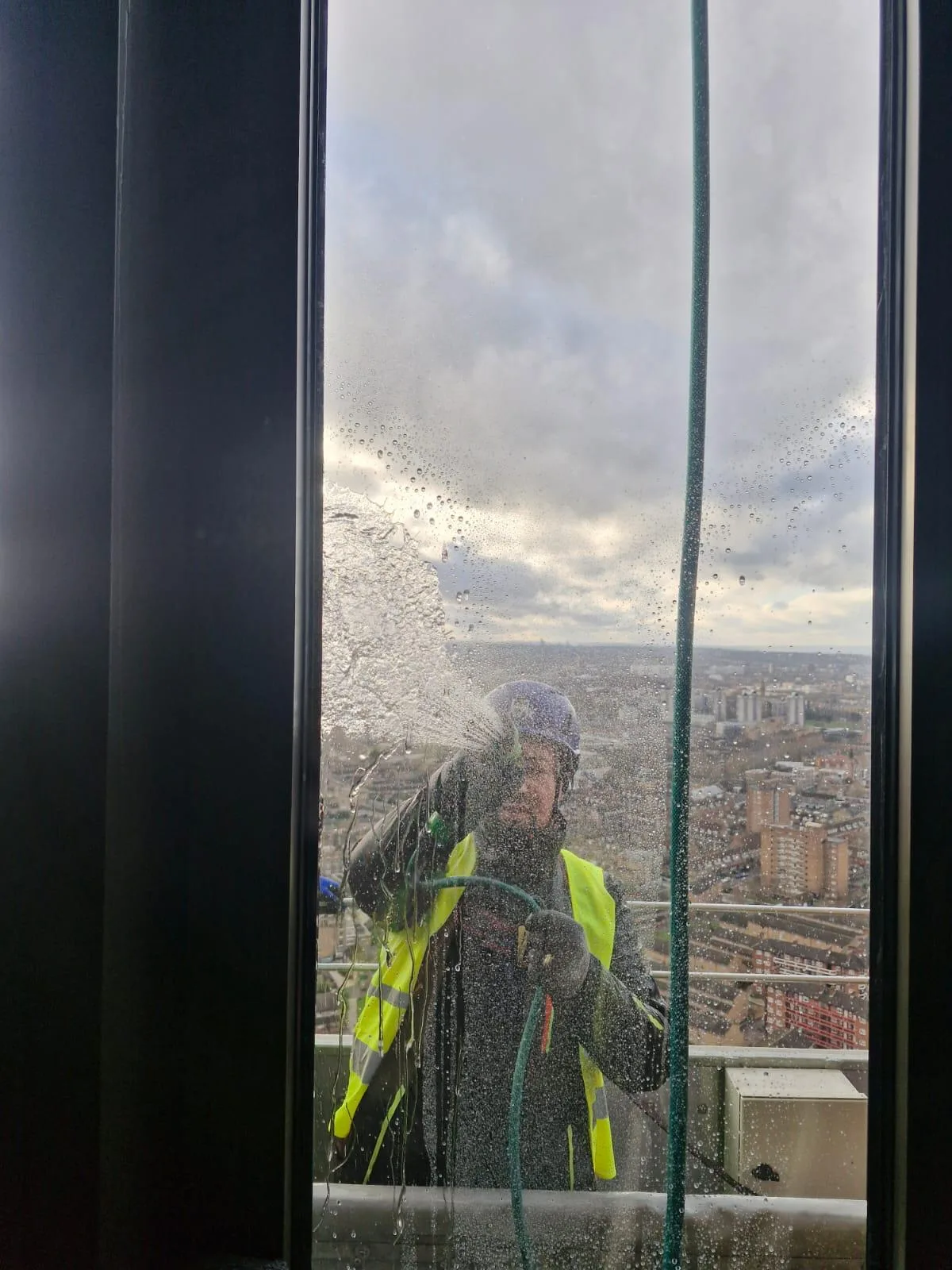
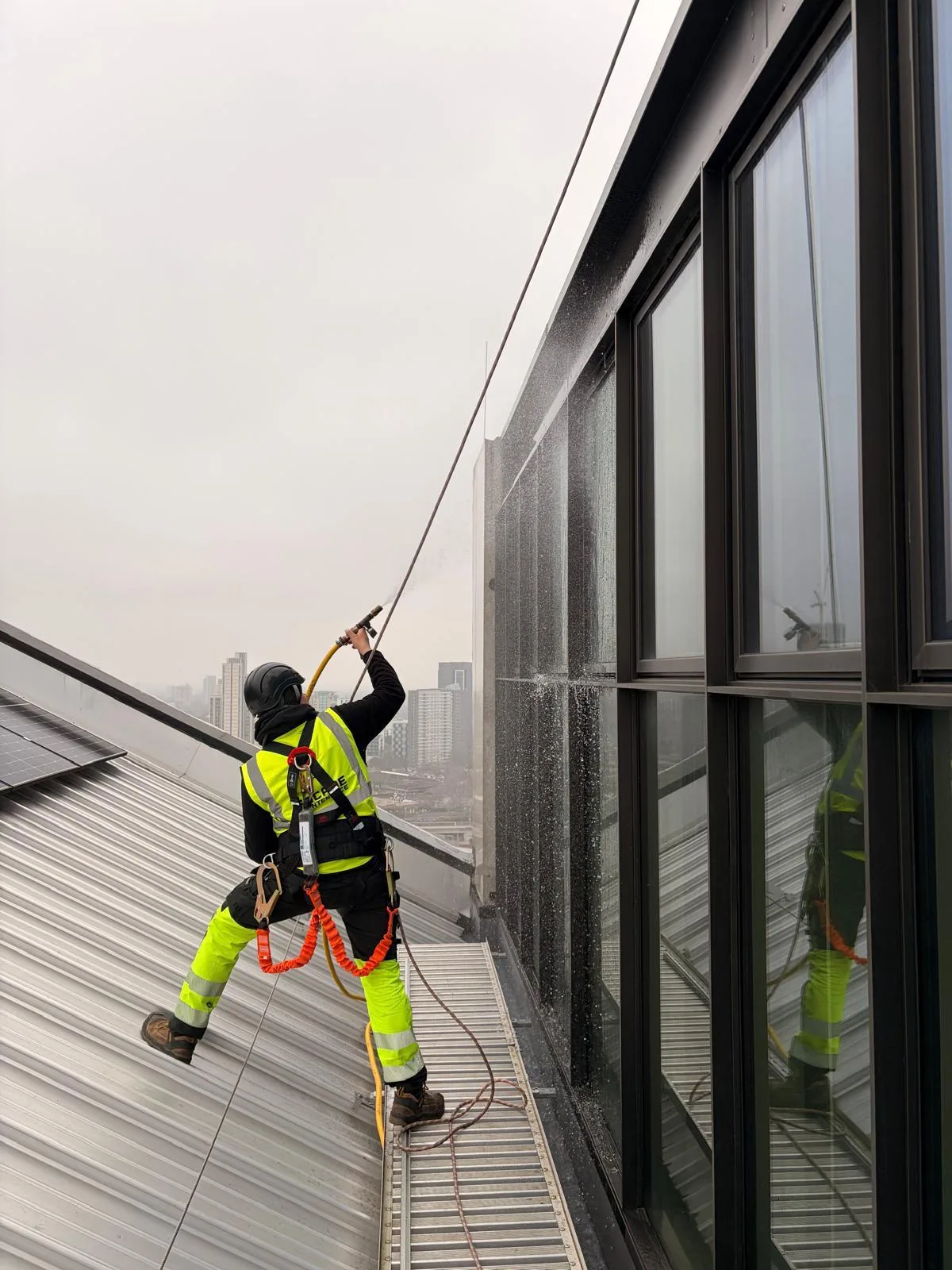
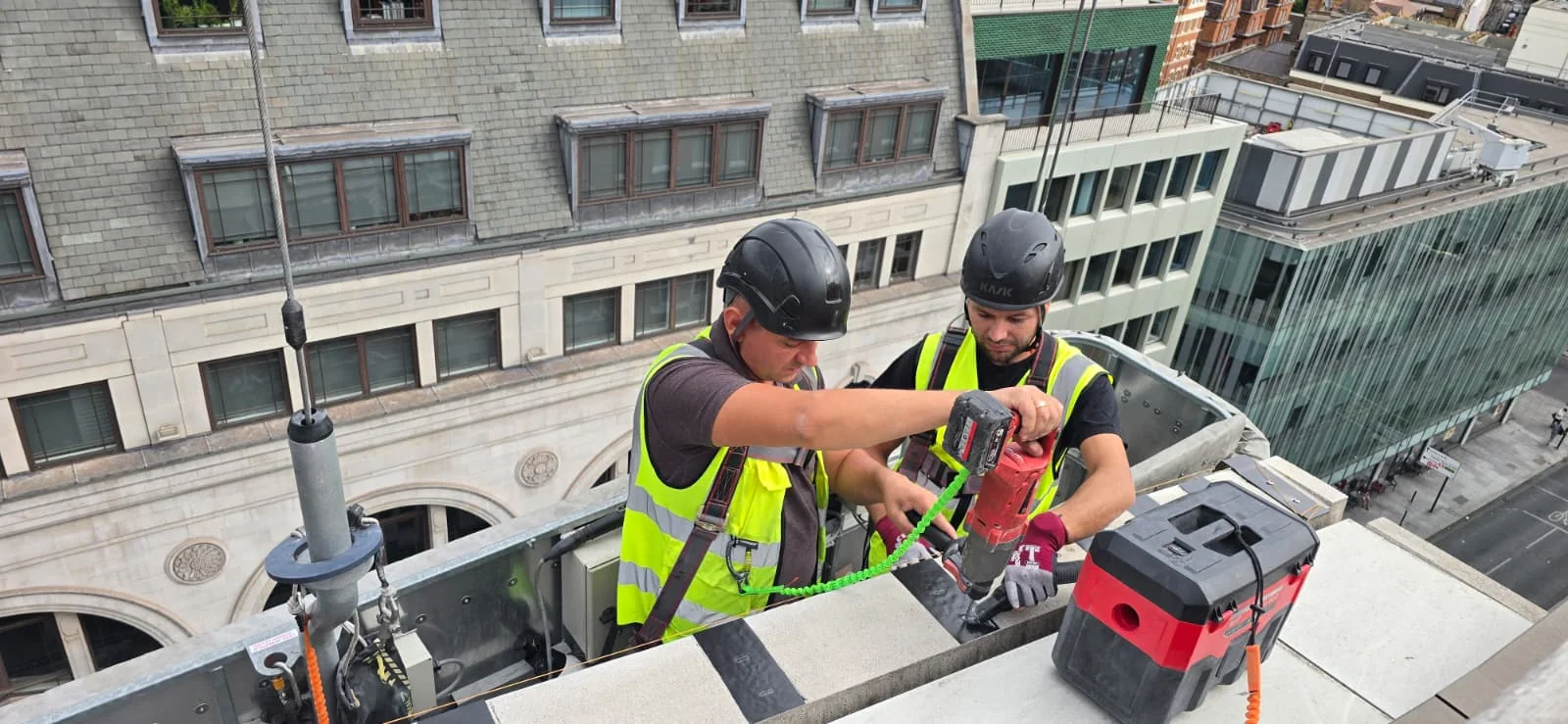
Visual inspection of pressure plates, caps, gaskets and sealant joints; drainage checks; glass condition including cracked, failed or delaminated units; spandrel panels, louvres and interfaces. High level elements by cradle, BMU, MEWP or rope access.
Cladding, copings and flashings
Condition of rainscreen panels, fixings and joints; copings, flashings and parapet details; balcony soffits, thresholds and drainage. Anything that could let water in or fall off is recorded and priced.
Reporting
After each visit you get a report by elevation and floor with photographs, a RAG rating for each item, and a priced list of repairs recommended, split into urgent, this year and next. Over time it becomes the building's facade history, which is what a buyer, insurer or the Building Safety Regulator asks for.
How a PPM contract starts
Walk the building
A surveyor walks the elevations, the roof and a sample of flats, and lists the systems and access equipment on the building.
Agree the schedule
We propose the tasks and frequency per element, aligned to SFG20 where you use it, with a fixed annual price.
First visit and baseline
The first visit sets the baseline condition. Anything already failed is priced separately so the contract price stays honest.
Annual cycle
Visits as scheduled, a report after each, a priced forward plan each year, and a call-out line in between.
Questions building managers ask
Do you price PPM and repairs separately?
Yes. The PPM price covers inspection, adjustment, lubrication and small consumables. Repairs found during the visit are priced as they arise, so you only pay for what the building needs.
Can you align to our SFG20 schedule?
Yes. We map our tasks to the SFG20 schedules for windows, doors, curtain walling and cladding, and report in the format your CAFM system expects.
What about the developer's warranty?
Most window and curtain wall warranties require evidence of routine maintenance. Our reports are written to provide that evidence, and we can work to the manufacturer's maintenance schedule where one exists.
Do you cover the BMU or cradle itself?
We operate BMUs and cradles for access and report on their condition as we see it. Statutory inspection and maintenance of the access equipment is by the equipment specialist.
How many visits a year?
Usually one or two for the envelope and more for automatic doors and high use entrances. The survey sets this per building.